GRAVITY IS JUST AN INITIAL CONDITION.
State agencies spent forty years and trillions of taxpayer dollars to put twelve men on the Moon and then forgot how to do it. Hammond Aerospace is turning deep space transit into an affordable commercial reality.
WHY DOES SPACE TRAVEL COST SO MUCH? BECAUSE GOVERNMENTS WERE RUNNING IT.
Imagine if an airline threw away a Boeing 747 into the Atlantic Ocean after every flight from London to New York. A ticket would cost \$3,000,000. That is literally what legacy aerospace did for sixty years while patting themselves on the back.
| Flight System | Cost / KG | Turnaround Cycle | Airframe Lifecycle | Engineering Reality |
|---|---|---|---|---|
| NASA Saturn V (1969) | $1,250,000 | Discarded in Ocean | 0% Single Use | Historic, but ruined taxpayers for a generation. |
| Space Shuttle (1981) | $54,500 | 4 to 9 Months Refurb | Partial (Orbiter Only) | Took 30,000 engineers to hand-glue fragile heat tiles. |
| Legacy Defense Aerospace | $18,200 | 12 to 18 Months | Single Use Fairings & Cores | Cost-plus contract gravy train with zero incentive to innovate. |
| Hammond Aerospace Voyager | $89 | 14 Hours to Next Pad | 100% Full Airframe Reusable | Rapid turnaround logistics making orbital access commodity infrastructure. |
THE HAMMOND EQUATION
"When you stop throwing away the ship, fuel represents only 0.3% of the total mission expenditure. The remaining 99.7% is pure profit and re-investment into deep space infrastructure."
THE VOYAGER STARSHIP
Designed for rapid reusability and multi-burn interplanetary transit. Examine the six core sub-assemblies currently undergoing continuous validation.
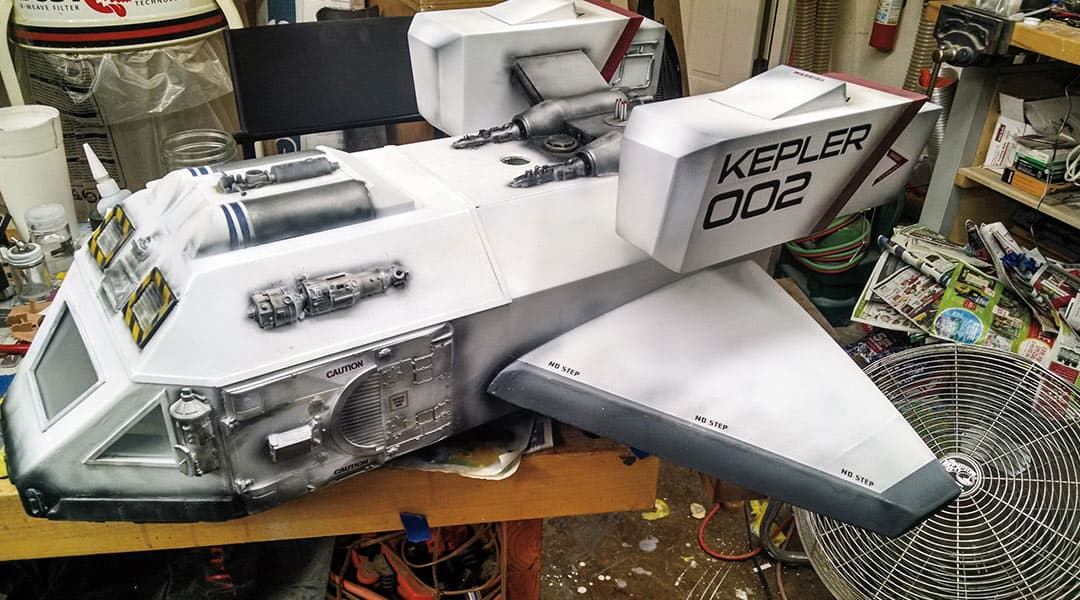
Voyager-Class Exterior Hull
Built for deep interplanetary vacuum and atmospheric re-entry. Zero ablation shields required.
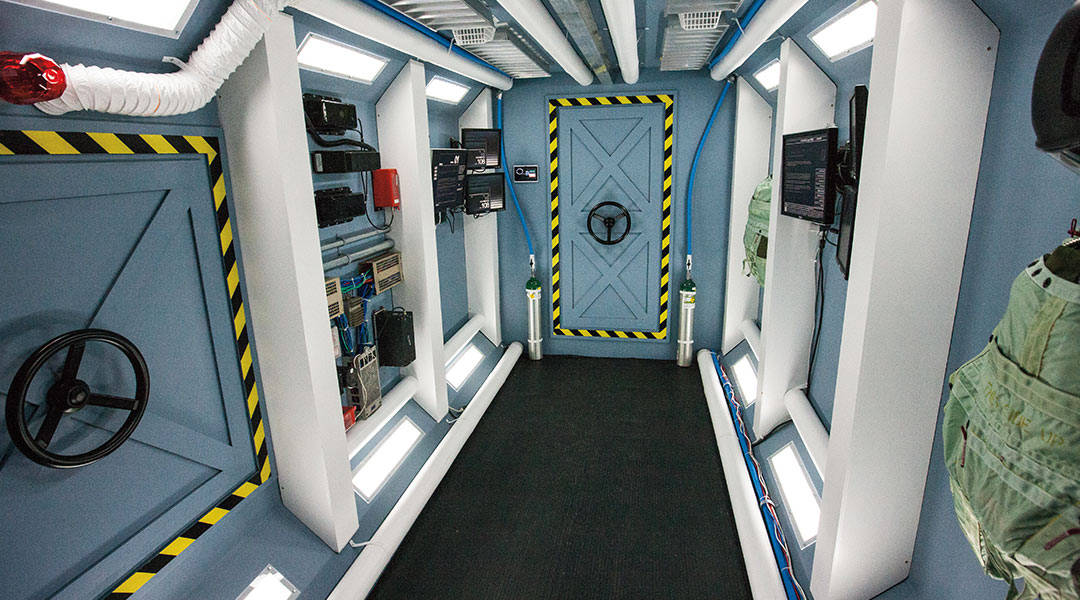
Flight Deck & Avionics
Designed for two-crew extended transit. Real-time telemetry bus with zero latency local computations.
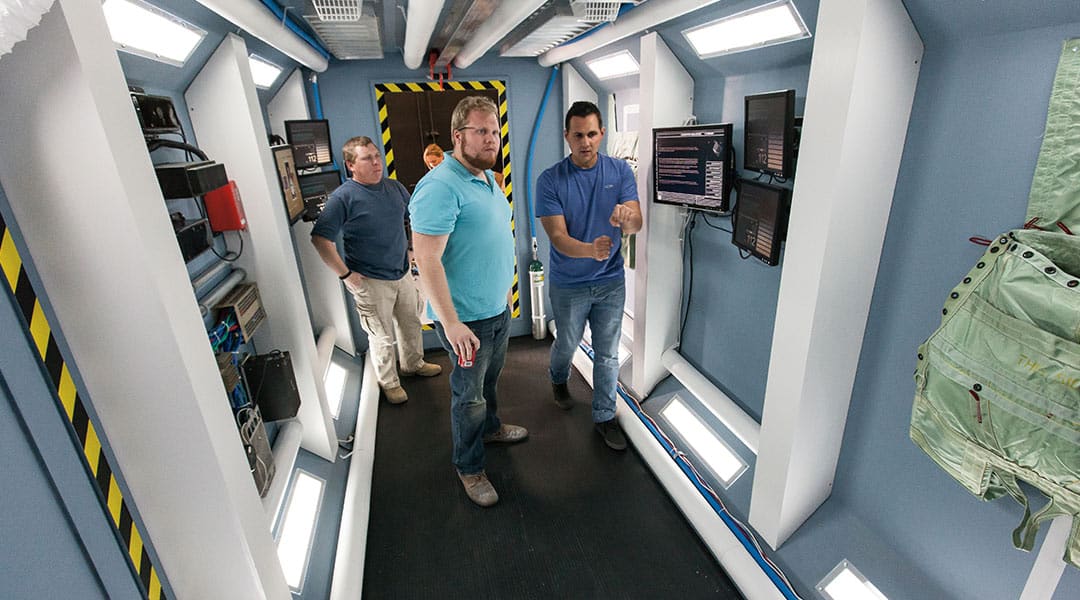
Crew Operational Readiness
The crew undergoes rigorous high-G simulation and enclosed life support conditioning.
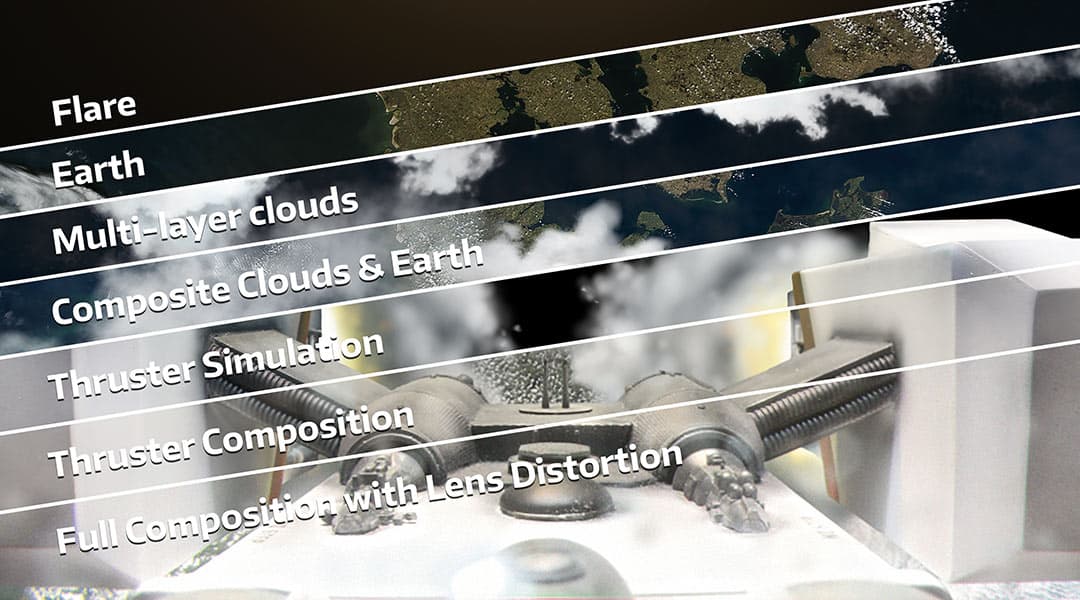
Optical Plasma Drive Burn
In-camera optical capture of high-velocity thruster ignition against the vacuum of deep space.
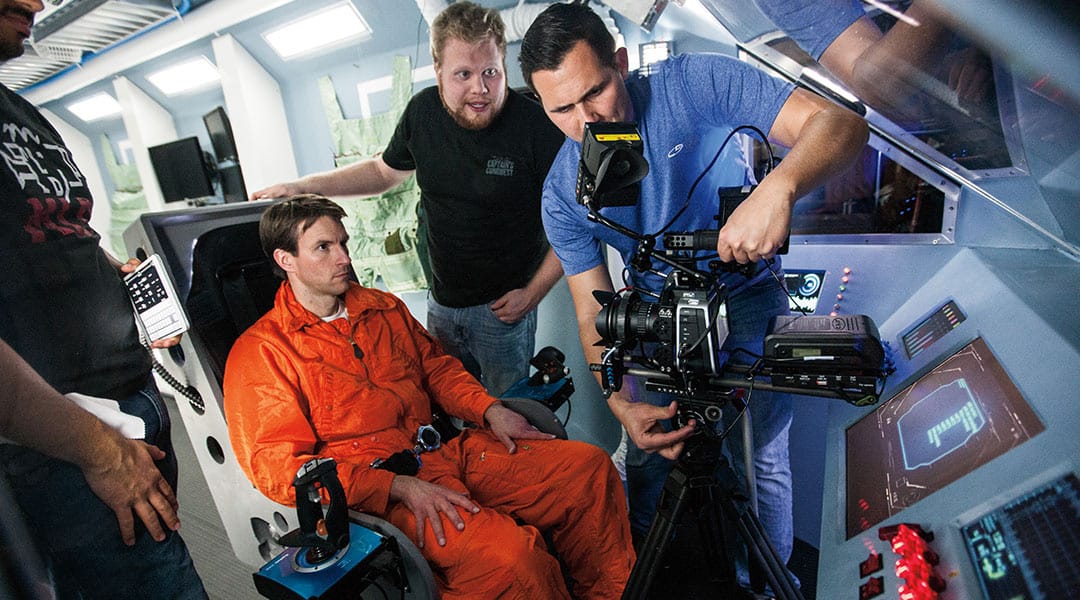
Pilot Target Acquisition
Direct pilot sightlines engineered for precision orbital rendezvous and lunar gateway alignment.
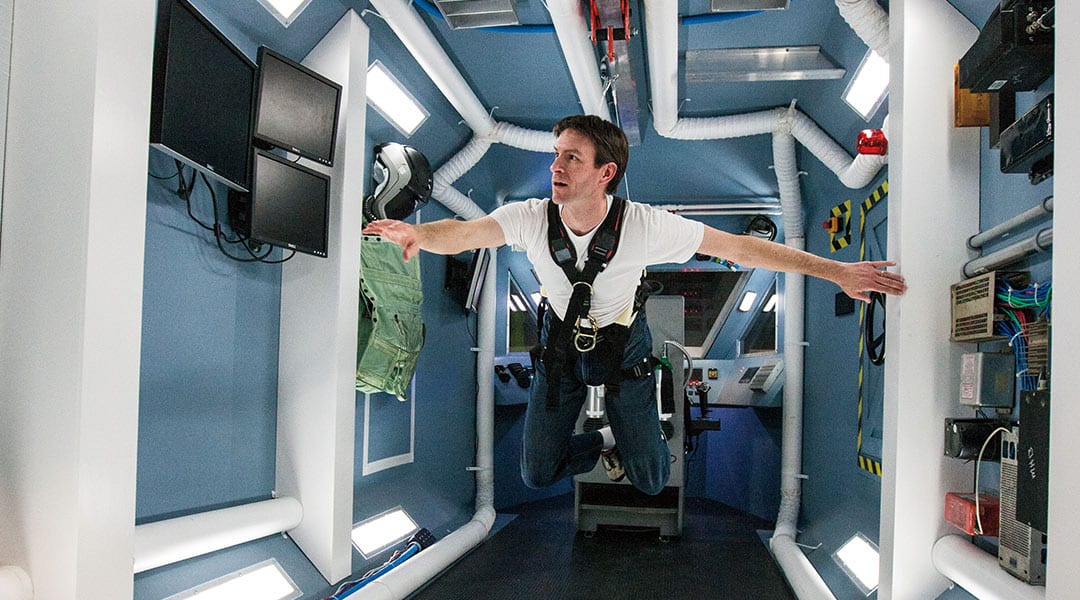
Microgravity Suspension Rig
Extreme stress-rigging tests validating dynamic center-of-mass shifts under continuous thrust.
Upload new high-resolution engineering photographs, CAD mockups, or set photography here.
JPG / PNG / WEBP // MAX 50MBReserved slot for ground launch pad photos, booster recovery barges, or hot-fire tests.
COMPLEX 39-H // MOJAVE PROVING GROUNDRADICAL PHYSICS. ZERO COMPROMISES.
Incremental improvements are for competitors fighting over government grants. Hammond Aerospace rewrote four foundational aerospace disciplines from first principles.
Magnetoplasmadynamic Aerospike
Traditional bells lose 30% efficiency at sea level and choke in vacuum. Our altitude-compensating toroidal aerospike delivers an optimal expansion ratio from launch pad to trans-Mars injection.
3D-Printed Titanium-Graphite Monocoque
Welds are points of failure. The Voyager hull is sintered in single monolithic segments with micro-lattice internal ribs, cutting structural dry mass by 62% while tripling torsional rigidity.
Magneto-Hydrodynamic Aerobraking
Scrapping thermal protection tiles after every flight is a financial crime. We generate a magnetic bow shock during orbital re-entry, deflecting plasma heat away from the physical hull.
AURA Deep-Space Navigational Core
When you are 40 million kilometers away, waiting 20 minutes for a mission controller in Houston to click 'Proceed' is insane. AURA computes trajectory maneuvers locally at sub-millisecond rates.
HAMMOND RAPID LAUNCH CALCULATOR
PUSHING THE LIMITS: THE MAKING OF VOYAGER
Discover how director Brendan Feltrup-Exum brought Hammond Aerospace to life not through sterile computer-generated imagery, but through hand-crafted scale miniatures, practical wire suspension rigs, physical fiber-optic cockpit sets, and optical in-camera cinematography.